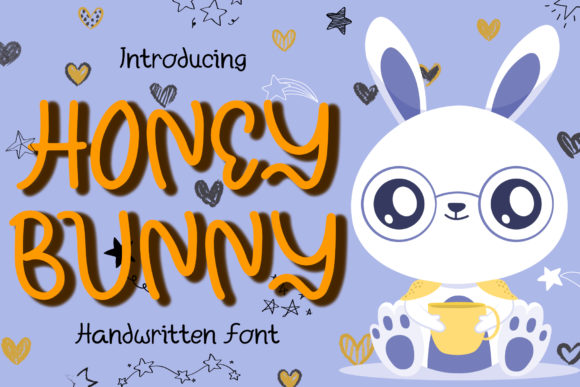
Honey Bunny: A Sweet Handwritten Font for Branding
Last Tuesday, I sat at my kitchen table surrounded by stacks of unsold candle jars and a pile of blank labels. The product itself was perfect—the scent was warm, the wax quality was high, but the packaging felt generic. It looked like something mass-produced in a factory rather than a small business crafted with care. I realized that my brand identity was missing its voice. In the world of packaging design, the words on your label are just as important as the product inside. That is when I decided to test out Honey Bunny, a new addition to the Script Amp collection of Fonts.
The goal wasn't just to make things look "cute." As a creative consultant who works with dozens of small business owners, I know that typography dictates how customers perceive value. We needed a typeface that could bridge the gap between a friendly, approachable vibe and a polished, professional aesthetic. After hours of tweaking mockups and printing test runs, it became clear that Honey Bunny was exactly the tool we needed to elevate our brand.
The Personality Behind the Letters
When you first load Honey Bunny into your design software, the personality hits you immediately. It is a handwritten font that feels incredibly sweet and friendly without being messy or childish. Unlike many script fonts that can feel overly decorative or difficult to read, Honey Bunny strikes a delicate balance. It mimics the natural flow of a pen on paper, giving every letter a human touch that resonates with customers looking for authenticity.
In the context of brand identity, this matters immensely. If you run a bakery, a boutique, or an online shop selling handmade goods, your audience wants to feel connected to the maker. Honey Bunny provides that connection. It has a visual character that is soft yet confident. The curves are gentle, and the spacing allows the letters to breathe, making it an excellent choice for display text where you want to grab attention without shouting. It is not just a creative font; it is a strategic asset for businesses that want to appear welcoming and trustworthy.
Real-World Applications for Small Businesses
To truly understand the value of Honey Bunny, you have to see it in action on real materials. For my candle project, I used the font for the primary product name on the jar labels. The result was immediate transformation. The handwritten style made the candles feel like a personal gift rather than a commodity. But the versatility of this premium font goes far beyond just candle jars.
- Bakery Packaging: Imagine a fresh loaf of bread wrapped in brown paper with "Freshly Baked" written in Honey Bunny. It instantly signals warmth and homemade quality. It works beautifully on box tops, pastry bags, and cupcake wrappers.
- Café Menus: For a coffee shop refreshing its menu board, using this script font for daily specials creates a cozy atmosphere. It invites customers to linger and enjoy their experience.
- Beauty and Skincare: On skincare labels, Honey Bunny conveys purity and gentleness. It pairs perfectly with minimalist designs, allowing the product name to stand out as a highlight.
- Thank-You Cards: One of the most impactful uses for small businesses is in post-purchase communication. Printing "Thank You" in this typeface on a card included with an order adds a layer of personal appreciation that digital emails simply cannot match.
- Social Media Graphics: When creating Instagram templates or Facebook ads, headlines in Honey Bunny stop the scroll. They catch the eye and communicate a friendly tone before the user even reads the caption.
Whether you are designing business cards, stickers, flyers, or website banners, this font adapts well to various scales. However, it is most effective when used for headlines, short phrases, logos, and decorative accents. It is not designed for long paragraphs of body text, which is typical for most display fonts.
Mastering Typography and Readability
A common mistake I see entrepreneurs make is using decorative fonts for everything. To maintain a professional look, readability is key. Honey Bunny shines when used for titles and focal points, but it needs support for smaller details. For instance, on a product label, you might use Honey Bunny for the brand name, but switch to a clean sans serif font for ingredients, net weight, and usage instructions.
This brings us to the concept of font pairing. To make Honey Bunny work effectively in editorial design or web layouts, pair it with a neutral, legible typeface. A simple sans serif font like Helvetica, Open Sans, or Montserrat works wonders. The contrast between the playful, organic curves of Honey Bunny and the structured lines of a sans serif creates a modern, balanced look. Alternatively, if you are aiming for a more elegant, vintage vibe, try pairing it with a classic serif font. This combination elevates the design, making it suitable for high-end boutiques or luxury handmade brands.
Readability also depends on the medium. On mobile screens, ensure that the size of the text is large enough to be legible without zooming. For printed packaging, always print a physical proof before committing to a full run. Sometimes, what looks crisp on a monitor can lose definition when printed on textured paper or glossy vinyl. Honey Bunny generally holds up well in print, but testing is always part of the process.
Technical Details and Commercial Use
Before integrating any new design assets into your workflow, it is crucial to check the technical specifications. Honey Bunny comes with essential features that make it practical for commercial projects. When downloading, verify the file formats (usually OTF or TTF) to ensure compatibility with your design software, whether you are using Adobe Illustrator, Canva, or other tools.
Check for included styles, such as uppercase, lowercase, numbers, and punctuation. Some versions of handwritten fonts may lack certain characters, which can be frustrating during layout. Additionally, look for alternates or ligatures—special character combinations that add unique flair to your logo design. These small details can make your brand feel more custom and less template-based.
Most importantly, review the licensing terms. Since Honey Bunny is categorized under Fonts intended for commercial use, ensure you purchase the correct license for your needs. If you are using the font on products you sell, like t-shirts, mugs, or packaging, you need a commercial license. Using a font without the proper rights can lead to legal issues down the line. Always confirm that the license covers merchandise, client work, and digital downloads if those are part of your business model.
Building a Memorable Brand Identity
Ultimately, the decision to use Honey Bunny is about more than just aesthetics; it is about consistency and perception. In a crowded market, your visual language must speak clearly to your ideal customer. By choosing a typeface that aligns with your brand values—sweetness, friendliness, and approachability—you create a cohesive experience across all touchpoints.
From the moment a customer sees your Instagram banner to the moment they hold your product in their hands, the typography should reinforce who you are. Honey Bunny helps small businesses look polished and intentional. It transforms a simple label into a statement of quality. Whether you are updating your web design, redesigning your logo, or simply trying to make your thank-you notes pop, this modern typography option offers a reliable way to connect with your audience.
As I finalized the candle labels last week, I felt a sense of relief. The brand finally looked like the business I wanted it to be. The right font didn't just fix the design; it clarified the message. If you are ready to give your business a warmer, more memorable face, Honey Bunny might just be the missing piece of your puzzle.